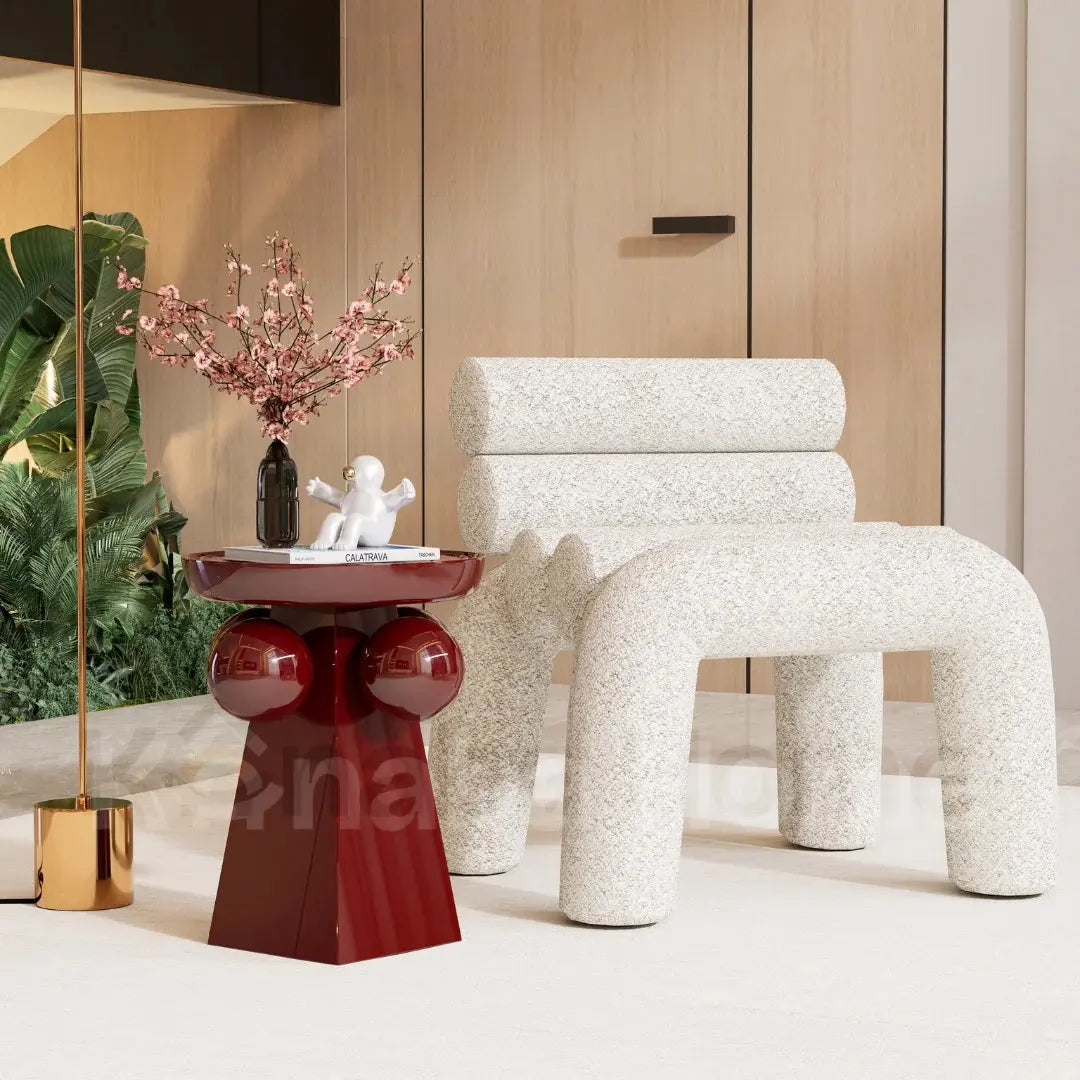
How to Choose an Accent Chair for a Small Living Room
A small living room can feel cosy and welcoming with the right furniture. But when space is limited, even one extra chair can make the room feel crowded. That's why choosing an accent chair needs a little thought. You want something comfortable that looks good beside your sofa without taking up too much space.
Many people buy chairs because they like the colour or design, only to discover that the chair looks too big once they bring it home. A few simple checks can help you avoid that mistake.
How to Choose an Accent Chair for a Small Living Room That Looks Good and Saves Space
Before you buy an accent chair, look around your living room. Where will you place it? Will someone use it every day, or will it mainly provide extra seating for guests?
First, measure the space next to your sofa or window. Measure the width and depth of the chair, including arms and back. Leave room for people to get by.
If your living room already has a large sofa and coffee table, choose a smaller chair with a simple design.
1. Look for a Chair That Doesn't Take Up Too Much Room
Some chairs look small in pictures but are quite wide in real life. This happens especially with thick cushions and large armrests.
For a small living room, look at these options:
- Slipper chairs: These chairs have no arms, so you can place them in narrow corners.
- Barrel chairs: Their curved backs give them a cosy feel. Choose a smaller size.
- Wooden accent chairs: Chairs with wooden legs and open sides don't look as bulky.
- Compact armchairs: These give you a place to rest your arms without taking up too much floor space.
Always check the measurements before ordering. A chair that fits your room will look better than one squeezed between other furniture.
2. Don't Choose a Colour Just Because It's Trending
Colour makes a big difference, especially in a room where every piece of furniture catches your eye.
If you have a beige sofa, you could try an olive green, rust or brown accent chair. A grey sofa may look good with a mustard or navy blue chair.
You can also keep things simple with cream or light brown.
Before deciding, look at your curtains, cushions and carpet. Try picking a colour that already appears somewhere in the room.
This way, your new chair won't look like it belongs in another house.
3. Sit on the Chair Before Making a Decision
A chair can look lovely and still be uncomfortable.
If possible, sit on it for a few minutes before buying. Check whether your feet touch the floor and whether your back feels supported.
Think about how you'll use it.
If you like to read at nite, choose an armchair with comfortable arms and a supportive back. If you only need occasional seating for visitors, a simple upholstered chair may be enough.
Don't forget to check the cushion. Very soft seats may look inviting, but they aren't always comfortable for everyone.
4. Choose Fabric You Can Maintain Easily
White fabric chairs look beautiful in photographs, but keeping them clean can be difficult in a busy home.
If you have young children or pets, choose upholstery that can handle regular use.
Cotton-blend fabrics, polyester upholstery and leather are worth considering, depending on their finish and cleaning instructions.
Velvet can look lovely in a bedroom or quiet reading corner, while textured fabrics bring warmth to a plain living room.
Before buying, ask how to clean the chair and whether the cushion covers come off.
5. Try Different Spots Before Settling on One
You don't always need to place your accent chair directly beside the sofa.
Sometimes, the empty corner near a window is a better choice. You could also place the chair opposite your sofa to give guests somewhere comfortable to sit.
In a narrow living room, avoid placing chairs near the entrance.
Try moving your existing furniture around before purchasing anything new. You may discover a spot that works better than your original plan.
6. Add a Side Table, but Keep It Small
A chair becomes more useful when there's somewhere to put your tea, phone or book.
A small side table beside the chair can do the job. Round tables are particularly useful in tight spaces because they don't have sharp corners.
You could also choose a nesting table that slips partly under another piece of furniture.
If there's enough room, add a reading lamp. Just don't fill the corner with too many things.
7. Mix Different Chairs Without Making the Room Look Messy
Your accent chair doesn't have to look exactly like your sofa.
In fact, different materials can make a room feel more personal. A wooden chair beside a fabric sofa, for example, can look lovely.
If your living and dining areas share one room, look at your dining chairs too. Matching wood tones or similar upholstery colours can help both areas look connected.
You don't need identical furniture. Just avoid mixing too many colours and patterns in one small space.
8. Take Your Time Before Buying
One common mistake is ordering a chair without checking how much space it needs.
Use masking tape to mark the chair's width and depth on your floor. Walk around the marked area and check whether you can open doors and move past the coffee table comfortably.
Also, think about how the chair will reach your room. Check narrow doorways, lifts and staircases before ordering a larger design.
A little measuring now can save you from an expensive furniture mistake later.
For accent chairs in Dubai, check out the furniture collection at Kanaba Homes. Compare the sizes, fabrics and designs carefully, and choose a chair that feels right for your home.
FAQs
1. Which accent chair is best for a small living room?
A slipper chair or compact armchair works well because it takes up less space.
2. Can I use two accent chairs in a small living room?
Yes, if you have enough room. Choose slim chairs and keep the walkway clear.
3. What colour accent chair goes with a beige sofa?
Olive green, brown, rust, navy blue and cream can all look good with beige.
4. Where should I place an accent chair?
Try beside your sofa, near a window or in an empty corner with enough walking space.
5. Should an accent chair match my sofa?
No. Different colours and fabrics can look good together when they share a similar style.

