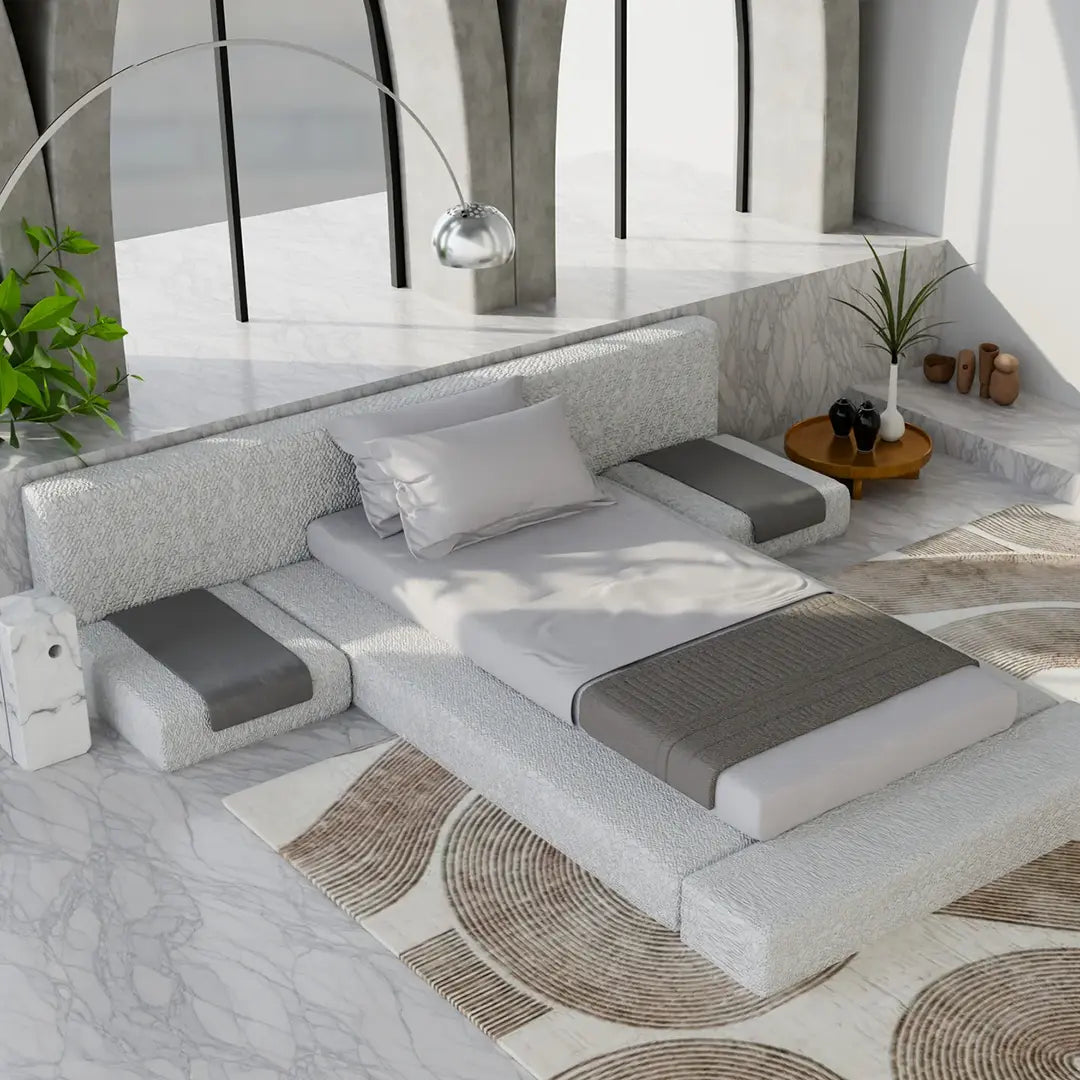
Best Furniture Choices for Multi-Generational Homes
Living with parents, grandparents, and kids under one roof is a completely different experience from living alone or with just a partner. Everyone has their own routine, their own comfort needs, and their own way of using a space. A grandmother who finds it hard to get up from a low sofa, a toddler running around sharp table corners, a working adult who needs a quiet spot to sit and focus — all of them share the same home.
Furniture that works in this kind of setup has to do more than just look good. Its main function is to hold up through constant use, keep everyone safe, and make daily life feel comfortable.
Here's what actually helps.
Living Room: Where Everyone Has to Feel at Home
The living room gets used more than any other space in a shared home. Mornings, evenings, weekends — someone is always in there. That means the furniture needs to work for a 70-year-old and a 7-year-old, often at the same time.
The biggest mistake people make here is picking sofas that look impressive but are difficult to sit on for long, or hard to get up from. Very soft, deep sofas are tough on older family members. Very firm seating gets uncomfortable after an hour.
What tends to work well:
- Sofas at a medium height — not too low, not too high — so sitting down and standing up isn't a struggle for anyone
- Back cushions that actually support the spine, not just add softness
- Sectional sofas that can be rearranged depending on how many people are using the room
- A recliner chair for elderly members who need extra back or leg support
- A couple of lightweight chairs that can be moved around easily when more people visit
The goal is a seating setup where no one has to think twice before sitting down.
Furniture That Does More Than One Thing
In a home with multiple people, rooms wear many hats. The study corner becomes a homework spot. The living room becomes a guest bedroom. The dining area doubles as a work-from-home setup. When a room is doing two or three jobs, the furniture has to keep up.
Multi-purpose furniture isn't a new idea, but it genuinely changes how manageable a shared home feels.
Pieces worth looking at:
- A sofa that folds out into a bed for when guests stay over
- Storage ottomans that hold blankets, toys, or extra linen inside
- A coffee table with drawers or shelves built underneath
- A foldable study or laptop table that can be tucked away after use
- Wall-mounted tables for tight spots like hallways or small bedrooms
These choices don't just save space — they reduce the number of items crowding a room, which makes cleaning and organizing much easier.
Keeping Everyone Safe, Especially Kids and Elderly Members
Safety doesn't get talked about enough when it comes to furniture, but in a home with young children and older adults, it matters a lot. Kids fall. Elderly members lose their balance. Sharp edges and unstable furniture make both situations worse.
Features to look for:
- Rounded corners on tables, cabinets, and shelves — especially at child height
- Furniture with a wide, stable base that doesn't tip or wobble
- Anti-slip pads or legs on chairs and tables so they don't slide on smooth floors
- Cabinets and shelves at accessible heights so elderly members don't have to stretch or bend awkwardly
- Soft-close drawers that don't slam shut on small hands
None of this has to look clinical or institutional. Most luxury furniture brands now offer safe designs that still look completely normal in a family home.
Dining Area: Built for Daily Meals and Bigger Gatherings
Families eat together, and in a multi-generational home, that means feeding a larger group on a daily basis. The dining setup needs to handle both a regular Tuesday dinner and a full Sunday gathering without becoming a problem.
Practical choices for the dining area:
- An extendable dining table that seats the everyday group but expands when more people come over
- A solid wooden table that can take years of daily use without looking worn out
- Bench seating along one side to fit more people without adding too many chairs
- Chairs that are light enough to move around easily
- A round table if the space allows — they tend to make conversation easier and feel less formal
A flexible dining setup means you're not rearranging the room every time the family gets together.
Storage That Keeps the Home Organised
The more people living under one roof, the more stuff there is — clothes piling up, shoes by the door, school bags dropped in the hall, medicines tucked into random drawers. One day the house feels dream, and the next it just feels full.
That's why storage isn't really about tidiness. It's about giving everyone their own corner of the home, a place where their things belong.
- Built-in wardrobes in bedrooms so each person has dedicated space
- Under-bed storage for seasonal items or extra bedding
- Modular cabinets that can be arranged differently in different rooms
- Closed shelving in common areas so things stay out of sight but within reach
- Vertical storage along walls to free up floor space
When everything has somewhere to go, the whole house settles — and so does everyone in it.
Small Personal Corners in a Shared Space
Everyone needs a little space of their own, even in a full house. It doesn't mean separate rooms — it just means a dedicated spot where a person can sit quietly, read, or work without feeling like they're in everyone's way.
Simple ways to create personal spots:
- A comfortable chair beside a window with good light
- A small reading desk in a corner of the bedroom
- A window bench with storage built underneath
- A compact table set aside for personal use
These small corners make a big difference to how relaxed each person feels at home.
Materials That Last With Heavy Daily Use
Furniture in a busy household doesn't get a break. Someone's always sitting on it, leaning against it, dragging it slightly out of place, or wiping something off it. In a home with kids, elderly members, and everyone in between, the wrong materials show their age within a year or two.
Materials worth choosing:
- Solid wood for tables, beds, and wardrobes — it lasts for decades
- Engineered wood for a more budget-friendly but still durable option
- Upholstery fabrics that are easy to wipe clean
- Metal frames for chairs and shelving that need to handle weight well
- Scratch-resistant surfaces on dining tables and study desks
Durable materials cost more during purchase but save money and hassle over the long run.
FAQs
What kind of sofa actually works in a family home?
A medium-height sectional with firm and well-supported works for everyone.
Which dining table suits a large family best?
An extendable wooden table. It handles everyday meals without dominating the room.
How does furniture affect safety at home?
More than people think. Rounded edges, stable bases, and non-slip legs reduce everyday accidents — particularly for young children and elderly family members.
What storage actually holds up in a shared home?
Built-in wardrobes and modular cabinets.
Is multi-purpose furniture actually worth it?
Usually, yes. It makes the space genuinely easier to live in.

