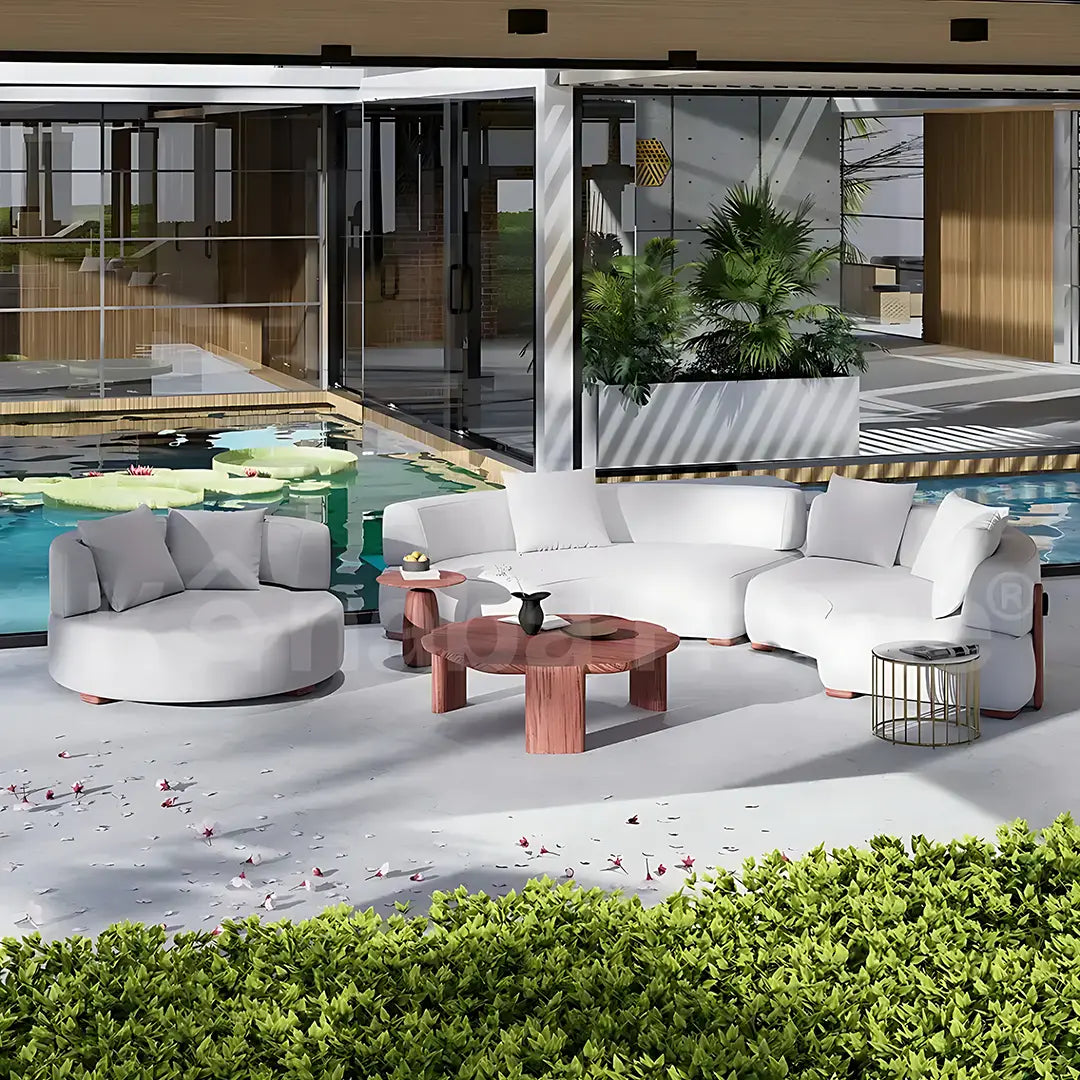
What Are the Benefits of Curved Furniture?
Curved furniture has moved from an occasional statement piece to a practical choice for modern homes. Sofas with rounded backs, circular tables, soft-edged chairs, and sculptural storage can make a room feel less rigid without changing the whole layout. The appeal is simple: curves soften strong architectural lines, make seating areas feel more relaxed, and add shape without filling the room with extra decoration. From a curved sofa to a round coffee table, these pieces can work in living rooms, bedrooms, dining spaces, hallways, and even smaller rooms.
What Are the Benefits of Curved Furniture for Modern Homes?
Curved furniture changes both the look and flow of a room. Straight sofas, square tables, and boxy cabinets create firm edges, while curvy furniture introduces a softer outline. Living Spaces notes that rounded forms can create a calmer feeling and help the eye move more naturally around the room. Rounded tables can also remove hard corners from busy walking areas.
Curves Make a Room Feel Softer
Most rooms already contain straight walls, rectangular rugs, square storage, and sharp architectural lines. Adding curves in furniture breaks up that repetition.
A rounded armchair, curved sofa, oval side table, or circular coffee table can make the room feel warmer without relying on lots of decorative pieces.
This approach also works well with Japandi furniture. Japandi rooms usually feature clean shapes, natural finishes, simple colors and uncluttered layouts. One gently curved piece can soften the room while keeping that calm look.
Curved Seating Can Make Conversation Areas Feel More Natural
A curved sofa or a pair of accent chairs naturally directs seating towards the centre of the room. This can make a living area feel more social than placing every seat in one straight row.
In a larger room, curved seating can also help define a conversation area without adding partitions.
You can complete the setting with a:
- Coffee table
- Side table
- Ottoman & poufs
- Bench
- Chaise lounge
Kanaba Home's current furniture range includes sofas, coffee tables, side tables, armchairs, accent chairs, chaise lounges, benches, and ottomans that can be used to build this type of seating arrangement.
Rounded Edges Can Improve Movement Around the Room
Furniture placement matters in apartments, open-plan homes, and narrow rooms. Rounded corners can make it easier to move around a coffee table, dining table, or side table because there is no pointed corner extending into the walkway.
Living Spaces also highlights easier traffic flow as one practical advantage of rounded tables and other curved pieces.
Softer shapes can be useful when choosing kids furniture or teen bedroom furniture too. They do not replace normal home safety measures, but reducing sharp corners can be worth considering in busy family spaces.
Curved Furniture Adds Interest Without Too Much Décor
One of the strongest benefits of curved furniture is that the shape itself becomes part of the room's design.
A sculptural armchair, rounded console table, curved chaise lounge, or oval mirror can draw attention without making the space look crowded.
You could place a rounded mirror above a console or sideboard, for example. This repeats the curved line while keeping the hallway simple.
The same idea works with shelving & storage, a cabinet, or a shoe cabinet when you want practical storage without making the area feel too boxy.
Curved Interior Design Works in Different Rooms
Curved interior design is not limited to living rooms.
In the bedroom, a rounded headboard can soften the wall behind the bed. You can continue the shape through a nightstand, dressers, make up vanity, vanity stool, or bedroom chair.
In dining areas, round dining tables work naturally with dining chairs that have curved backs. A rounded dining table can also be useful where space around the table is limited because there are no projecting corners.
Other pieces such as bar stools, sofa beds, L shape sofas, TV units, and office desks can remain more structured while curved accent pieces soften the overall room.
The same balance can be used with basement furniture, outdoor furniture, and furniture for home offices.
Curves Balance Large Furniture
Large sofas, TV units, cabinets, dining tables, and storage pieces can sometimes make a room feel heavy.
Adding one rounded item creates contrast.
For example, you could use:
A curved sofa with a simple rectangular TV unit, a round coffee table beside an L shape sofa, or a sculptural side table beside a straight-lined armchair.
You do not need every item to follow the same shape. In many rooms, mixing straight and curved furniture looks more natural than using curves everywhere.
Curved Furniture Can Have a Timeless Look
Curves may be receiving more attention now, but rounded furniture itself is not new. Circular tables, curved chairs, arched backs, and softly shaped sofas have appeared across different interior styles for years.
That makes it possible to choose timeless furniture without making the room feel tied to one short-lived trend.
Focus on useful dimensions, comfortable proportions, and simple materials. Wood, bouclé, plain fabric, stone-look surfaces, and neutral finishes can all work well with curved forms.
Living Spaces similarly recommends combining curved pieces with structured furniture and using simple materials and colours when you want the look to last.
How to Add Curved Furniture Without Redesigning the Room
You do not need to replace everything.
Start with one smaller piece such as a side table, mirror, accent chair, ottoman, or bench. If the room already contains many straight lines, one rounded item may be enough to create contrast.
You can opt for a curved sofa and a round coffee table in the living room. A soft headboard with rounded nightstands would work for a bedroom. In a hallway, pair a console table with an oval mirror.
When comparing furniture stores, check the width, depth, and walking space around the piece instead of choosing by appearance alone.
Kanaba Home offers furniture across bedroom, living room, dining room, hallway, home office, kids, and outdoor categories, giving homeowners several ways to use curved forms without changing the entire room at once.
FAQs
What is curved furniture?
Curved furniture includes sofas, chairs, tables, beds, and storage pieces designed with rounded edges, flowing lines, or circular shapes.
Is curved furniture good for small rooms?
Yes. A carefully sized round table, side table, or curved chair can reduce hard corners and keep movement around a small room easier.
Are curved sofas comfortable?
Many curved sofas use rounded backs, deep seats, and soft arm shapes that can create a comfortable seating area.
Does curved furniture suit modern interiors?
Yes. Curves work well with modern, minimalist, Japandi, contemporary, and mixed interior styles.
How do I mix curved and straight furniture?
Use one or two rounded pieces alongside simpler straight furniture. A round coffee table with a straight sofa is an easy starting point.

