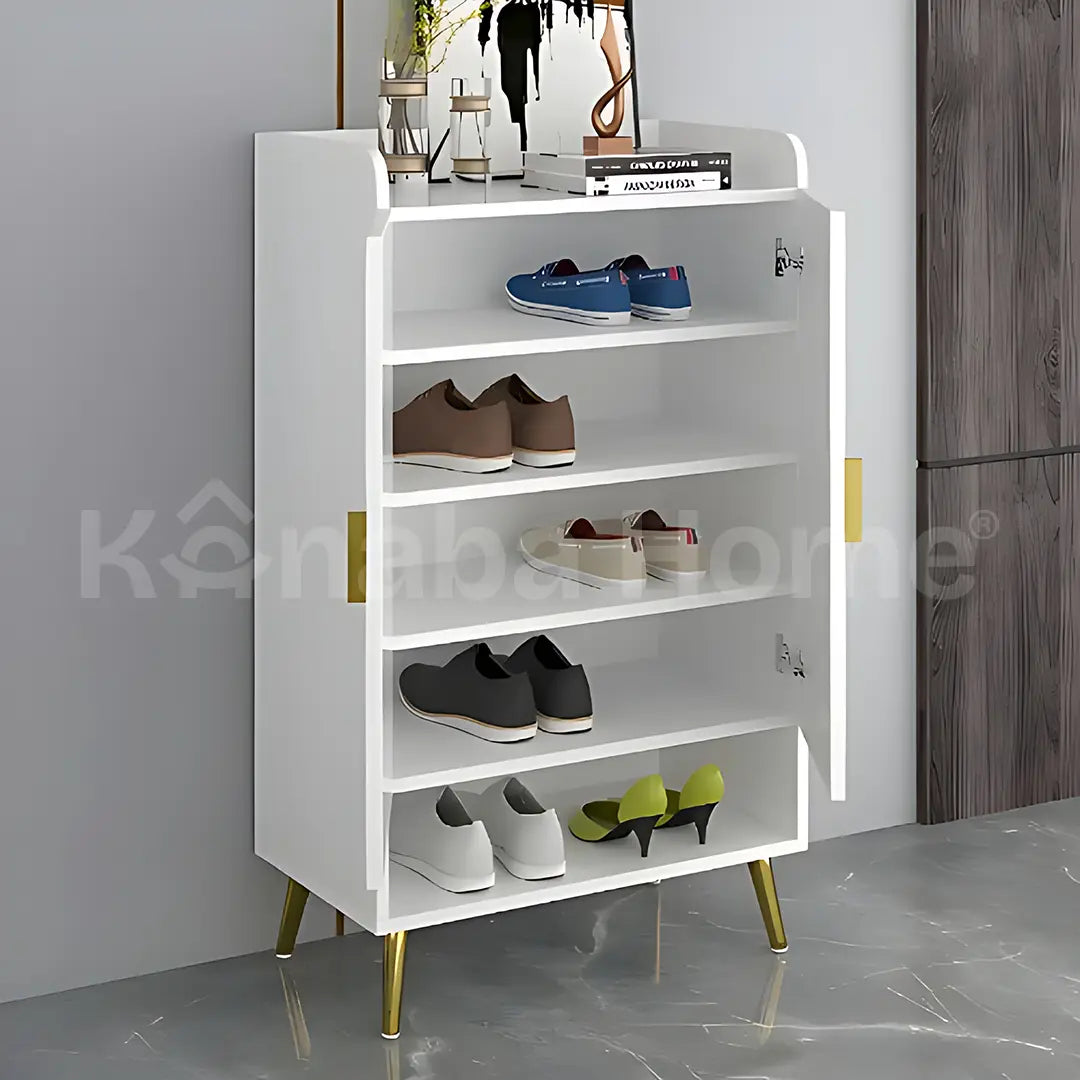
Shoe Storage Idea for Small Apartments
Finding the right Shoe Storage Idea for Small Apartments can make a narrow hallway, bedroom corner, or entryway easier to use every day. Shoes often pile up near the door because there is no fixed place for them. A small shoe rack, slim cabinet, bench, or wall-mounted shoe holder can solve this without taking over the room. The key is to choose storage according to the number of shoes you own, available floor space, and how often you use each pair. Good storage keeps footwear easy to reach while helping the apartment look clean and less crowded.
Shoe Storage Idea for Small Apartments That Saves More Floor Space
In a small apartment, every centimetre matters. Wide furniture can quickly make an entrance feel blocked, so look for narrow pieces with enough internal shelves. A small shoe cabinet works especially well when you want shoes hidden behind closed doors. It keeps the entryway looking tidy and helps reduce visible clutter.
Kanaba Home has a dedicated Shoe Cabinet collection, offering a variety of cabinet styles to choose from that include closed storage options and models designed for narrow hallways.
Before you buy, measure the width of the wall, the depth of the cabinet, the skirting area and the clearance required for doors or drawers. This simple check can stop a cabinet from making a narrow passage harder to use.
How to Choose a Slim Shoe Cabinet
A slim cabinet is one of the easiest shoe storage ideas for apartment entrances. Unlike an open rack, a cabinet hides footwear and gives the hallway a cleaner appearance.
Look for:
- Shallow depth for narrow passages
- Multiple shelves inside
- Easy-opening doors or drawers
- Enough height for daily footwear
- A top surface for keys or small décor
A tall small shoe cabinet also uses vertical space instead of spreading across the floor. This makes it useful beside an entrance door or along an unused hallway wall.
Place a Small Shoe Rack Near the Entrance
If you use the same shoes every day, an open small shoe rack may be more practical than closed storage. Keep only daily shoes on it and move occasional footwear into another cabinet.
Two or three tiers are usually enough for a couple or small family. A narrow rack can sit behind the entrance door, below a console, or beside a bench without using much room.
A bench can also create a comfortable place to sit while putting shoes on. Kanaba Home carries a separate Benches collection, including designs suitable for bedrooms and entryways.
Use Vertical Shoe Storage
When floor space is limited, go upward. Tall shoe storage works well in apartments because it uses wall height that would otherwise remain empty.
A vertical cabinet will accommodate a number of pairs and take up less floor width than a long rack. You can arrange shoes according to use, keeping work shoes and sandals around eye level and less-used pairs on the upper shelves.
Wall-mounted storage can work too, especially in a tight entrance where even a slim cabinet feels bulky.
Combine a Shoe Holder With a Mirror
A hallway does not need to contain storage only. Pairing a narrow shoe holder with a mirror makes the entrance more useful without adding many separate pieces of furniture.
A wall mirror can make a small entrance feel more open while giving you a place to check your outfit before leaving home. Kanaba Home has a dedicated Mirrors collection with wall and full-length designs.
Keep the mirror above the shoe unit rather than placing another floor-standing item next to it.
Use the Space Beside the Bed
Not every apartment has a proper hallway. In studio apartments, footwear may need to move into the bedroom.
A narrow cabinet can fit beside a wardrobe, dressing area, or bedroom door. Keep formal shoes and footwear used less often here, while daily shoes stay closer to the main entrance.
This also keeps footwear away from your main beds area and stops shoes from collecting around the floor.
Try Hidden Storage Under a Bench
Furniture that handles two jobs makes sense in smaller homes. A storage bench can provide seating while giving you room below for shoes.
Place one near the entrance and use baskets or internal compartments to separate sandals, trainers, slippers, and children's footwear.
This arrangement works particularly well when you do not want a tall cabinet covering the wall.
Keep a Side Table Only When Space Allows
Some entrances have enough room for both shoe storage and a compact side table. If yours does, keep the table narrow and avoid placing two bulky units beside each other.
Use the table for keys, sunglasses, or a small tray while keeping shoes inside the cabinet below or beside it. Kanaba Home offers a dedicated Side Table collection with several compact furniture styles.
How to Keep Small Shoe Storage Organised
Even the best cabinet becomes messy when every pair is pushed inside without a system. Keep everyday footwear on the easiest shelves and move seasonal shoes higher up.
Store dirty shoes after removing them. Wet shoes should be left to dry and do not put too many shoes on one shelf. You can also sort shoes by family member or type.
For very small spaces, rotate footwear seasonally. Keep only the shoes you regularly wear near the entrance and store the rest elsewhere.
Small Shoe Storage Ideas for Different Areas
A few simple combinations work well:
- Entryway: slim shoe cabinet + mirror
- Hallway: small shoe rack + bench
- Bedroom: tall shoe cabinet + dresser
- Studio apartment: closed shoe holder + wall mirror
- Kids' room: low rack + labelled baskets
These arrangements make it easier to choose furniture according to the room instead of forcing one storage style everywhere.
FAQs
What is the best shoe storage idea for a small apartment?
A slim vertical cabinet is useful because it stores several pairs while using less floor space.
Is a shoe cabinet better than a shoe rack?
A cabinet hides shoes and dust, while an open rack gives faster access to daily footwear.
Where should I keep shoes in a small apartment?
Use the entrance, hallway, wardrobe side, bedroom corner, or space below a storage bench.
How can I store many shoes in a small space?
Use tall shelving, adjustable shelves, wall storage, and seasonal rotation to reduce floor clutter.
How deep should a small shoe cabinet be?
Choose a depth that suits your footwear while leaving enough walking space in front of the cabinet.

